
July 17, 2026
IRA-Approved Bullion: A Detailed Study of Eligible Metals, Rules, and Strategic Considerations for Self-Directed Retirement Accounts
IRA-Approved Bullion: A Detailed Study of Eligible Metals, Rules, and Strategic Considerations for Self-Directed Retirement Accounts
This study examines the landscape of ira approved bullion, a category of physical precious metals permissible within self-directed individual retirement accounts (IRAs). It synthesizes regulatory foundations, the practicalities of selecting bullion, the custodial and storage framework, and the strategic considerations that influence long-term retirement outcomes. The objective is to provide readers with a clear understanding of what qualifies as IRA-eligible bullion, how to acquire it, and the implications for diversification, liquidity, and tax treatment.The regulatory framework governing IRA-approved bullion rests on the Internal Revenue Code and IRS guidance that define what constitutes an IRA investment in precious metals. Under IRC 408(m) and related regulations, an IRA may hold certain bullion coins and bars that meet minimum fineness and are produced by recognized mints or refiners. The emphasis is on investment-grade products that are widely accepted as stores of value, rather than collectible coins with speculative or artistic value. The responsibility for compliance lies with the IRA custodian or trustee, whose duties include verifying eligibility, facilitating storage in IRS-approved depositories, and ensuring that transactions comply with prohibited-transaction rules. For investors, this framework creates a structured pathway to diversify retirement assets with physical metal, while maintaining the tax-advantaged status of the IRA.Purity, form, and eligibility are central to determining whether a given bullion product qualifies. There are two broad categories: coins and bars. Coins must be produced by a recognized government mint and typically exhibit guaranteed purity and weight. Bars are produced by government or private refiners with widely recognized assay standards. Most IRA-eligible gold bullion requires a minimum fineness of 99.5% (gold). Silver bullion generally requires high purity, commonly 99.9% or higher. Platinum and palladium have very stringent purity standards, often around 99.95%. Importantly, not every coin or bar that exists is IRA eligible. Coins that do not meet the IRS’s standards or bars from unapproved refiners may be disallowed. Investors should consult their custodian early in the process to confirm eligibility before purchase. Widely accepted examples include American Gold Eagles (22-karat gold), Canadian Gold Maple Leafs (99.99% gold), Austrian Philharmonics (99.99%), and other coins minted by sovereign mints that carry explicit purity guarantees. For silver, coins such as the American Silver Eagle (99.9% silver) and Canadian Silver Maple Leaf (99.99% silver), along with high-purity silver bars, are common IRA candidates. These products are valued not only for their metal content but for their recognized liquidity and verifiable purity.The practical process of acquiring ira approved bullion typically begins with a self-directed IRA setup or conversion, followed by selecting an IRS-approved custodian. The custodian cannot hold the bullion directly at an individual’s residence; instead, it must be stored in an IRS-approved depository or vault, which provides security, insurance, and regular audits. The investor works with a bullion dealer or broker to select specific coins or bars that meet purity standards and weight requirements. Once the product is chosen, the custodian arranges a transfer of funds and facilitates the delivery to the approved storage facility. Documentation—including assay certificates, serial numbers, and proof of purity—is essential for compliance and for future valuations.Cost is a critical consideration in ira approved bullion. Relative to paper assets, bullion carries unique costs beyond standard fund management fees. Premiums above the spot price reflect supply, demand, and the product’s rarity or branding. For IRA assets, additional costs include shipping, insurance, and ongoing storage fees charged by the depository. Some custodians levy annual asset-based fees or per-item storage charges, which can affect the overall return, particularly in low-yield or long-hold scenarios. It is essential to compare total cost of ownership across potential bullion choices, including the premium paid at purchase, depository fees, and any transaction fees levied by the custodian. While liquidity into cash within an IRA must be done through the IRS-approved channels, the underlying bullion itself provides a reliable intrinsic value that often translates into stable long-run wealth preservation.Liquidity and marketability are meaningful advantages of IRA-approved bullion, but they are nuanced. On the one hand, gold, silver, platinum, and palladium have deep global markets, with established benchmark prices, transparent pricing quotes, and ready supply from reputable dealers. Coins issued by major mints tend to have broad appeal among collectors and investors alike, supporting resale activity within the IRA framework. On the other hand, the premium over spot, the coin’s condition, and the bullion form (coin vs bar) can influence bid-ask spreads in a way that affects overall liquidity when distributing from the IRA or making subsequent purchases. Investors should consider diversification among product types (coins and bars; different metals) to balance liquidity, storage costs, and price volatility. Moreover, because distributions of physical bullion are treated as taxable events, careful planning is needed for required minimum distributions (RMDs) and potential tax implications upon withdrawal.
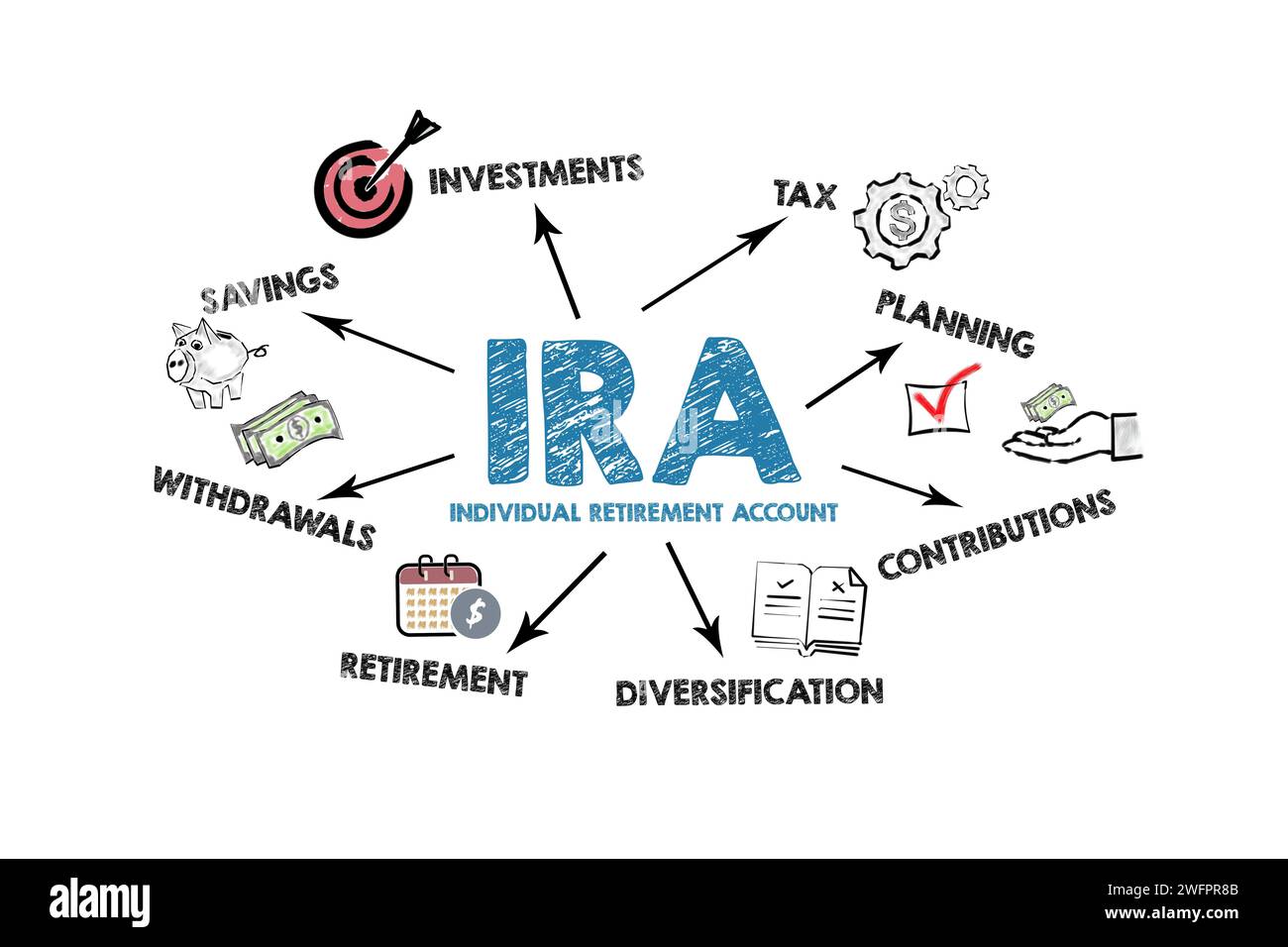
- Defining a clear allocation to precious metals within the overall asset mix, aligned with retirement goals and risk tolerance.
- Working with a well-qualified self-directed IRA administrator and a reputable bullion dealer who understands IRS rules and custodial requirements.
- Verifying product eligibility before purchase, ensuring purity, mint/brand credibility, and proper documentation.
- Considering storage and insurance costs as part of the total cost of ownership.
- Monitoring regulatory developments and maintaining compliance to avoid unintended tax consequences.


Social Links