Buying a Gold IRA: A Comprehensive Guide to Securing Your Retirement with Gold
Buying a Gold IRA: A Comprehensive Guide to Securing Your Retirement with Gold

A Gold IRA is a self-directed Individual Retirement Account that holds physical precious metals rather than traditional paper assets. The account must be established with a custodian that specializes in self-directed IRAs, and the metals must be purchased from an approved dealer and stored in an IRS-approved depository. The key distinction from a standard IRA is that you can choose to allocate part of your retirement savings to physical gold, which introduces a different risk-return profile and a different set of operational costs.
Eligibility, metals, and purity
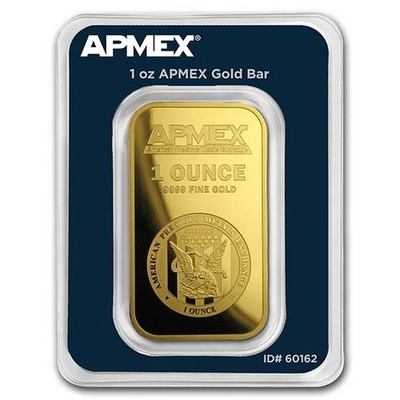
Not all precious metals qualify for an IRA. IRS rules restrict the types of gold and other metals that can be held inside an IRA. Eligible metals typically include certain government-issued bullion coins and bars that meet minimum purity standards. Common examples of IRS-approved gold options include widely recognized bullion coins such as the American Gold Eagle, the Canadian Gold Maple Leaf, and other government-minted coins, as well as gold bars produced by reputable refiners with a minimum fineness around 99.5%. Numismatic or collectible coins, bars that do not meet purity requirements, and certain foreign coins are usually not permitted inside an IRA. It is essential to verify current IRS guidelines with your custodian before making any purchase.Taxes and distributionA Gold IRA offers tax-advantaged growth similar to other IRAs. While the money stays within the account, you do not pay taxes on capital gains. Taxes or penalties may apply if you take distributions before reaching retirement age, or if you fail to follow IRS rules for IRA rollovers and transfers. It’s important to understand that holding physical gold in an IRA means you will not own or access the metal personally until you take a distribution, at which point the distribution is typically taxed as ordinary income for traditional IRAs or as a distribution of the value of the metals for Roth IRAs, depending on the type of account. Always consult a tax professional to understand your personal tax obligations and consult your custodian for the most current guidance.
Custodians, dealers, and depositories
A Gold IRA involves three separate entities: the custodian, the dealer, and the depository. The custodian administers the account, maintains records, and ensures compliance with tax rules. The dealer is responsible for selling the approved metals and issuing the invoice for the purchase. The depository is where the metals are stored in insured, IRS-approved facilities. Storage can be segregated (your metals are stored separately) or in some cases pooled with other customers’ metals. Fees will typically include a custodian fee, a storage fee, and a mark-up or premium on the metal itself. It is common for fees to combine these elements, so it’s essential to understand the full cost structure before purchasing.Key steps to buy a Gold IRAIf you are considering a Gold IRA, here is a practical, high-level sequence to follow:
- Assess your goals and risk tolerance: Determine what portion of your retirement savings you want to allocate to gold and how this aligns with your overall diversification strategy.
- Choose a self-directed IRA custodian: Look for custodians with experience in precious metals IRAs, transparent fee schedules, strong customer service, and clear guidance on IRS rules.
- Select a reputable precious metals dealer: Work with dealers who have a track record, clear pricing, a straightforward purchase process, and the ability to ship to an IRS-approved depository.
- Decide between a transfer or rollover: A transfer moves assets directly from one custodian to another without taking possession of funds, while a rollover involves receiving funds and reinvesting within a specific window. Transfers are generally simpler and lower risk for compliance.
- Pick the metals and ensure compliance: Choose IRS-approved gold coins or bars with the appropriate fineness. Avoid coins or bars that are not eligible for IRAs to prevent disqualification of your holdings.
- Arrange storage and depository setup: Select a depository that offers appropriate insurance, security, and accessibility, and decide whether you want segregated or pooled storage.
- Review fees and terms: Obtain a written fee schedule and compare total costs, including setup, annual maintenance, storage, and any dealer markups or shipping charges.
- Complete the paperwork and execute the transfer: Finalize all required forms with your custodian and dealer, ensuring that the transfer or rollover is executed properly to avoid tax issues.
Owning a Gold IRA incurs several costs beyond the price of the gold itself. Typical expenses include an account setup or initiation fee, annual custodial fees, annual storage fees (which can be either segregated or pooled), and the premium or markup on the coins or bars purchased. Some custodians charge ongoing administration fees or performed services such as reporting and compliance monitoring. Because these fees can significantly affect long-term performance, it is crucial to obtain a clear, all-inclusive fee schedule before committing. Compare fees across several custodians and dealers, and ask about any potential ancillary costs such as shipping, insurance, and depository termination fees. It’s also prudent to track the market price of gold at purchase and compare it to the stabilized price in your depository to gauge how much of the premium you are paying for the security and convenience of an IRA setup.
Storage and security
The security advantage of a Gold IRA is that the metals are stored in a regulated, insured depository rather than at home. Reputable depositories retain insurance coverage for the value of the metals and offer robust security measures, including 24/7 monitoring, vault access controls, and independent audits. Segregated storage can give you exclusive ownership of your particular lot, while pooled storage might offer lower costs but mutual risk. It is essential to understand the depository’s policies, insurance limits, and procedures for transfer or liquidation.Risks and due diligenceLike any investment, a Gold IRA carries risks. Gold prices can be volatile, and the overall return on a Gold IRA depends on the price of gold plus the costs of ownership. Over time, high premiums and custody/storage costs can erode returns, especially if gold prices stagnate. There is also the risk of misrepresenting the eligibility of certain coins or bars, or of engaging in a transaction with an unscrupulous dealer. To mitigate these risks, conduct due diligence on every party involved:
- Verify licensing and registration of the custodian and dealer.
- Request a detailed written cost breakdown and a published buyback policy.
- Ask for third-party audits of the possession and warehouse arrangements.
- Seek references and check independent reviews.
- Confirm the exact metals accepted by the custodian for your account.
Some investors may believe a Gold IRA guarantees profits or acts as a risk-free hedge. While gold can reduce portfolio volatility during downturns, it does not eliminate risk or guarantee returns. Additionally, some buyers may assume they can hold gold physically at home within an IRA; this is not allowed, and attempting to do so can disqualify the account. Finally, there is often confusion about which coins qualify for IRAs. Always verify eligibility with your custodian before purchasing.
Conclusion
A Gold IRA can be a valuable tool for diversification and inflation hedging within a retirement plan, but it requires careful planning and disciplined execution. The key to success lies in selecting reputable custodians and dealers, understanding the fee structure, ensuring IRS eligibility of the metals, and committing to a clear storage arrangement with a trusted depository. As you consider adding precious metals IRA companies gold to your retirement strategy, treat this as a long-term decision that complements your broader asset allocation, financial goals, and risk tolerance. Always seek professional guidance to navigate regulatory requirements, tax implications, and market conditions.If you decide to move forward, approach the process methodically: define your target allocation, perform due diligence on potential partners, obtain all fees in writing, and ensure a smooth transfer or rollover that preserves the tax-advantaged status of your retirement funds. With careful planning and informed choices, a Gold IRA can be a meaningful part of a retirement plan designed to weather economic uncertainties and preserve purchasing power over time.