Gold IRA Retirement: A Brief Overview
Gold IRA Retirement: A Brief Overview
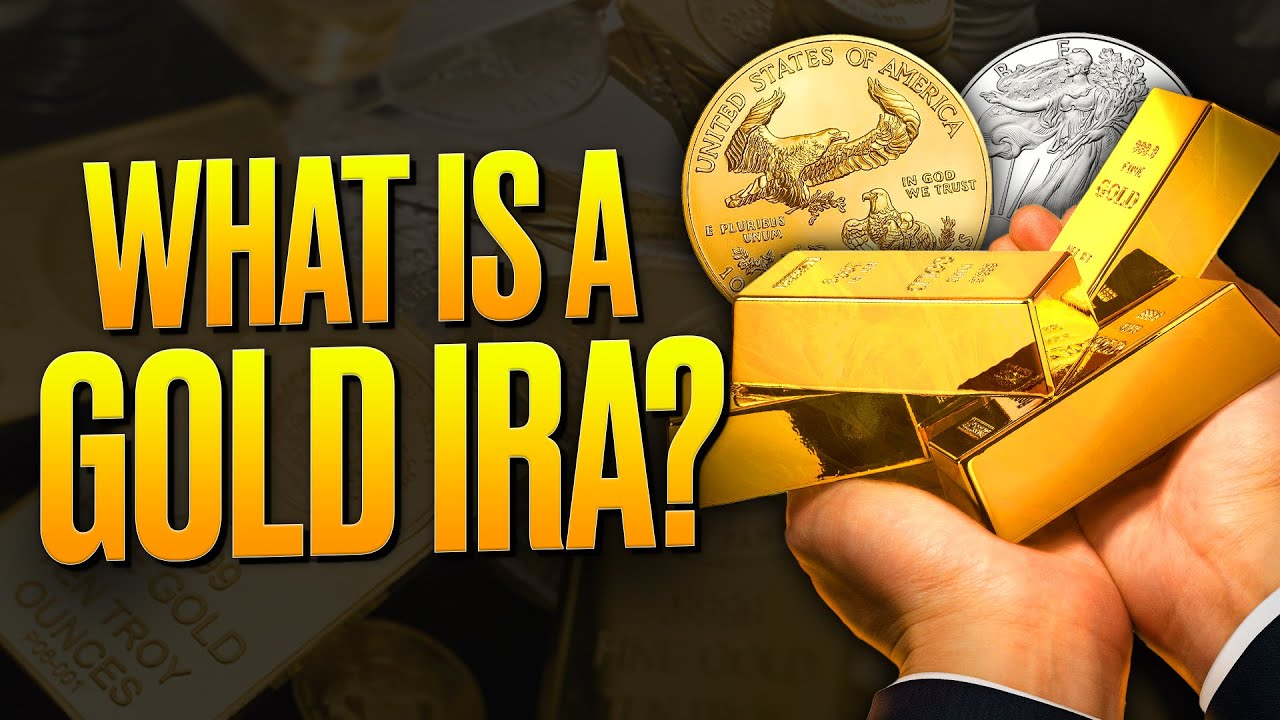
Gold IRA Retirement: A Brief OverviewGold IRAs are a type of self-directed Individual Retirement Account that allow investors to hold physical precious metals, typically gold, as part of retirement savings. Unlike standard IRAs that hold stocks, bonds, or mutual funds in paper form, a Gold IRA stores actual gold coins and bars delivered to a custodian and kept in an IRS-approved depository. This arrangement is designed to provide diversification, protect purchasing power against inflation, and offer a potential safe haven during times of economic stress. However, Gold IRAs also introduce guide to gold ira companies extra layers of complexity, higher costs, and certain risks that do not apply to traditional retirement accounts. This report explains how Gold IRAs work, what investors should consider, and how to evaluate options when contemplating including precious metals in a retirement plan.
How a Gold IRA works
A Gold IRA requires a self-directed IRA custodian who supports precious metals. The investor opens an account with the custodian and arranges for physical metals to be purchased through or transferred into the account. The IRS permits specific precious metals that meet purity standards and that are in mint or refiner-approved forms. Gold coins such as certain sovereign issues and gold bars that meet weight and fineness requirements are eligible for ownership within a Gold IRA, but not all coins or bars qualify. The metals must be stored in a vault that is insured and IRS-approved, and the custodian oversees the administrative aspects, including reporting and compliance. The investor never takes physical possession of the metals while they are in the IRA; the assets remain in custody and are accessed only through distributions.
Eligible metals and standards
- Gold bars and coins that meet fineness requirements (commonly 99.5% or higher for bars and specific acceptable purity levels for coins, often 99.5% or higher, with 99.9% or 99.99% preferred for modern bullion).
- Acceptable coins typically include certain sovereign issues such as the American Gold Eagle, Canadian Gold Maple Leaf, South African Krugerrand, and other coins designated as eligible for retirement accounts by the Internal Revenue Service or by reputable custodians.
- Other precious metals (silver, platinum, palladium) can be held in separate Self-Directed IRAs if they meet the same standards, but this report focuses on gold.
Investors can fund a Gold IRA through rollovers or direct transfers from existing IRAs or employer-sponsored plans, such as 401(k)s. A trustee-to-trustee transfer is often the simplest and avoids tax withholdings. A rollover must be completed within the tax rules to avoid income tax consequences. Once funds are in the Gold IRA, purchases are executed in the name of the IRA, and the metals are stored in the depository. Distributions are taxed as ordinary income for Traditional Gold IRAs, and withdrawals before the retirement age typically incur a 10% early withdrawal penalty unless an exception applies. RMDs (required minimum distributions) may apply starting at age 72 for Traditional IRAs, depending on current tax rules. When distributions are taken, the custodian or depository delivers the metal or, in some cases, sells the metal to provide cash, and the value is taxed accordingly. It is crucial to understand that a Gold IRA is a tax-advantaged vehicle, but distributions are not tax-free; the tax treatment mirrors conventional IRAs, with gold as the underlying asset.
Storage and custodial arrangements
A central feature of Gold IRAs is storage. The IRS requires that physical metals held in an IRA reside in IRS-approved depositories. The investor does not own the metal in the sense of taking possession; instead, the metal is held by the custodian in custody for the benefit of the IRA owner. Storage options typically include segregated storage, where a specific lot is stored for the account holder, and pooled or commingled storage, where metals from multiple customers are stored together. Segregated storage offers greater certainty about ownership but comes at a higher cost. Insurance coverage is essential; reputable depositories insure metal against loss, theft, or damage. The custodian charges fees for administration, annual storage, insurance, and often a markup on the purchase price of gold. Buyers should carefully review fee schedules, as total costs can significantly impact long-term returns, especially given the high upfront costs sometimes associated with acquiring precious metals.
Costs and fees to anticipate
- Setup or account-opening fees.
- Annual maintenance or administration fees.
- Separate storage and insurance charges, often billed monthly or annually.
- Purchase markup or premium on the gold being acquired, plus potential shipping fees.
- Sell-back or buyback fees when liquidating metals within the IRA.
- Possible fees for “consolidation” of smaller lots or for compliance reporting.
Tax considerations and withdrawal implications
The tax treatment of a Gold IRA mirrors that of standard IRAs for most purposes. In a Traditional Gold IRA, contributions may be tax-deductible (depending on eligibility), the account grows tax-deferred, and withdrawals are taxed as ordinary income. Early withdrawals (before age 59½) generally incur a 10% penalty unless an exception applies. Required minimum distributions begin at age 72 for many investors, subject to the prevailing tax rules and the account’s value. If a Roth Gold IRA is used, qualified distributions may be tax-free, but such accounts require after-tax contributions and have different eligibility rules. It is important to distinguish between taxes that apply to distributions from the IRA and any capital gains taxes that might apply if the metals were held outside a retirement account. Within an IRA, gains are not taxed as capital gains; taxation occurs upon distribution as ordinary income. Investors should consult with tax professionals to understand how a Gold IRA interacts with their broader tax situation, including the potential impact on Social Security benefits and Medicare premiums.
Pros and cons in a retirement planning context

Pros
- Diversification: Gold often behaves differently than stocks and bonds, potentially reducing portfolio volatility when used correctly.
- Inflation hedge: Gold has historically performed well during periods of rising prices and currency weakness, offering a form of purchasing power protection.
- Uncorrelated asset: In times of financial stress or systemic risk, physical gold may not move in tandem with equities.
- Retirement flexibility: A Gold IRA can provide an additional layer of risk management within a diversified retirement strategy.
- Higher costs: Setup, ongoing storage, and advisory fees can erode returns, especially if gold prices experience flat or modest appreciation.
- Liquidity constraints: Selling physical gold can involve bid-ask spreads and process delays, particularly within an IRA where liquidity is constrained to the custodian’s network.
- Regulatory and compliance risk: The need to meet purity standards and depository requirements creates ongoing administrative overhead.
- Market risk: Gold prices can be volatile and are influenced by global macro factors, interest rates, and geopolitical events; there is no guaranteed return, and gold can underperform in certain cycles.
- No passive income: Unlike dividend-paying stocks or bond funds, gold does not generate interest or yields; its value comes from price appreciation and inflation hedging, which may or may not materialize.
Gold prices are driven by a mix of macroeconomic variables, including inflation expectations, interest rates, currency movements, and geopolitical risk. In a retirement context, investors must evaluate whether capital should be allocated toward gold as a hedge or as a potential anchor within a diversified mix. Tax-advantaged status remains a key reason to use a Gold IRA rather than holding physical gold outside a retirement account; besides, holding in an IRA defers taxes until distributions. However, the lack of cash flows from gold means that investors must rely on price appreciation and distribution timing to fund retirement expenses. For some, a modest allocation—such as 5% to 15% of a retirement portfolio—may be a prudent starting point, with adjustments based on risk tolerance, time horizon, and other holdings. Others may choose smaller or larger allocations; there is no universal answer. The crucial point is to ensure that gold complements a well-structured investment plan rather than dominating it.
Choosing a provider and evaluating options
- Reputation and transparency: research the custodian’s history, regulatory standing, and customer reviews.
- Fees: obtain a breakdown of all charges, including purchase premiums, storage, insurance, and any hidden fees.
- Storage: verify the depository’s location, governance, insurance coverage, and the option for segregated storage.
- Compliance and audits: confirm whether the provider conducts regular audits and offers transparent reporting.
- Buyback and liquidity: ask about buyback policies, pricing, and the ease of liquidating the gold within the IRA.
- Education and support: look for resources that explain tax implications, rollover processes, and retirement planning considerations.
1) Assess retirement objectives and determine an appropriate allocation to precious metals within the broader portfolio.
2) Select a reputable custodian that supports self-directed IRAs and offers transparent pricing.3) Confirm which metals are eligible and choose the form of the gold (coins or bars) aligned with limitations and preferences.
4) Initiate a rollover or transfer from an existing IRA or employer plan, ensuring tax-deferred treatment.5) Select an IRS-approved depository and arrange for storage (segregated or pooled) with appropriate insurance.
6) Integrate the Gold IRA with the overall retirement plan, including expected withdrawal timelines and tax considerations, and consult a tax adviser for tailored guidance.7) Review the arrangement periodically to adjust allocations as risk tolerance and market conditions evolve.
Conclusion
A Gold IRA can be a meaningful component of a retirement strategy, offering diversification, inflation hedging, and a tangible asset class that operates within a tax-advantaged framework. It is not a substitute for a comprehensive plan built on diversified stock and bond holdings, steady savings, and prudent risk management. Prospective investors should conduct careful due diligence, weigh the total cost of ownership, and seek professional advice to ensure that a Gold IRA aligns with their long-term objectives, liquidity needs, and tax situation. With thoughtful selection of custodians and depositories, and with a disciplined, informed approach to allocation, a Gold IRA can contribute to a resilient retirement asset mix while providing potential protection during uncertain economic times.